


Don’t Make Them Guess: Everybody’s Got a Pulse ❤️

Turn a Complaint Into a Clear, Kind Request
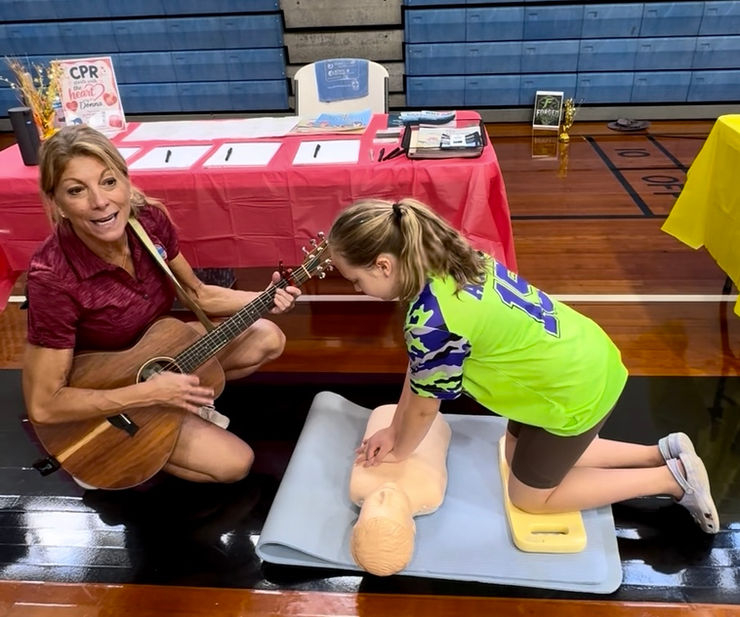
This week’s Heartbeat Harmony helps children keep the beat during Hands-Only CPR while remembering that every person has a heart, feelings, and a need to be heard. Click the pic and feel the beat!
Everybody’s Got a Pulse, But Nobody Can Read Your Mind
Have you ever expected someone to know what you wanted, even though you never actually told them? I certainly have.
I would think:
“If they really cared, they would know.”
But here is what I am learning:
People cannot respond to a request they never heard.
Adults do this, and children do it too.
A child may say:
“You never play with me!”
“She always gets to go first!”
“Nobody listens to me!”
“He took the seat I wanted!”
Those feelings may be completely real. The child may be lonely, disappointed, frustrated, or feeling left out. But the complaint does not clearly tell the other person what would help.
Behind almost every complaint is a request waiting to be expressed.
“You never play with me” might mean:
“Would you play a game with me after dinner?”
“She always gets to go first” might mean:
“May I please have the first turn this time?”
“Nobody listens to me” might mean:
“Could I tell you what happened without being interrupted?”
“He took the seat I wanted” might mean:
“Would you be willing to let me sit there today?”
The feeling has not changed, but the communication has.
Everybody’s Got a Pulse
My latest song “Everybody’s Got a Pulse” was created to help children keep the proper beat while practicing Hands-Only CPR, and it's a fun way to realize and remember that everyone has feelings.
The song begins with:
I have a pulse.
Then it expands:
You’ve got a pulse. She has a pulse. He has a pulse. They’ve got a pulse. We have a pulse.
Each part reminds us of something important.
Every person has a heart beating inside them.
Every person has feelings.
Every person has needs they may not know how to express.
Sometimes a complaint, an angry voice, or an unkind reaction is covering up hurt, fear, loneliness, embarrassment, or a simple request that has not yet found the right words.
The chorus says:
“We’ll walk around, respect the sound of every beat on every street. Pump, pump, pump, pump, feel the beat, feel the beat.”
Respecting every beat means remembering that the person standing across from us has an inner world too.
They have a pulse.
They have feelings.
They also cannot read our minds.
Complaints Look Back. Requests Move Us Forward.
A complaint usually focuses on what someone did wrong.
A request tells that person what they can do next.
That distinction is important because most people, children and adults alike, become defensive when they feel blamed. But when we receive a clear, respectful request, we have an opportunity to understand and help.
A request does not guarantee that the answer will always be yes. It does, however, give the other person a fair chance to respond.
We cannot expect people to read our minds.
We can teach them how to succeed with us by kindly explaining what we need.
Give Your Complaint a Makeover
Here is a simple three-part formula families can practice together.
1. Begin with something warm.
Start with appreciation, connection, or a calm opening:
“I like playing with you.”
“I know you did not mean to hurt my feelings.”
“I really enjoy spending time together.”
“Can I tell you something that would help me?”
You can also simply say:
“I have a request.”
This lets the other person know that you are trying to communicate clearly, not attack them.
2. Make a specific request.
Try saying:
“What I would like is…”
Be clear about what you are asking for.
Instead of:
“Stop being so annoying!”
Try:
“What I would like is ten quiet minutes to finish my homework.”
Instead of:
“You never let me choose!”
Try:
“What I would like is to choose the movie tonight.”
Instead of:
“You’re always leaving me out!”
Try:
“What I would like is to be included in the next game.”
“Be nicer” can be difficult to understand.
“Please wait until I finish speaking” gives the other person something specific they can do.
3. Leave room for an honest answer.
A request is different from a demand.
We can ask clearly and kindly without adding guilt, threats, or tests such as:
“If you were really my friend, you would do it.”
Instead, we can ask:
“Would you be willing to do that?”
The answer may be yes, no, or “Can we find another way?”
Learning to hear an answer respectfully is part of healthy communication too.
RISE Before You Speak
When we feel disappointed, it is easy to complain before we even understand what we need.
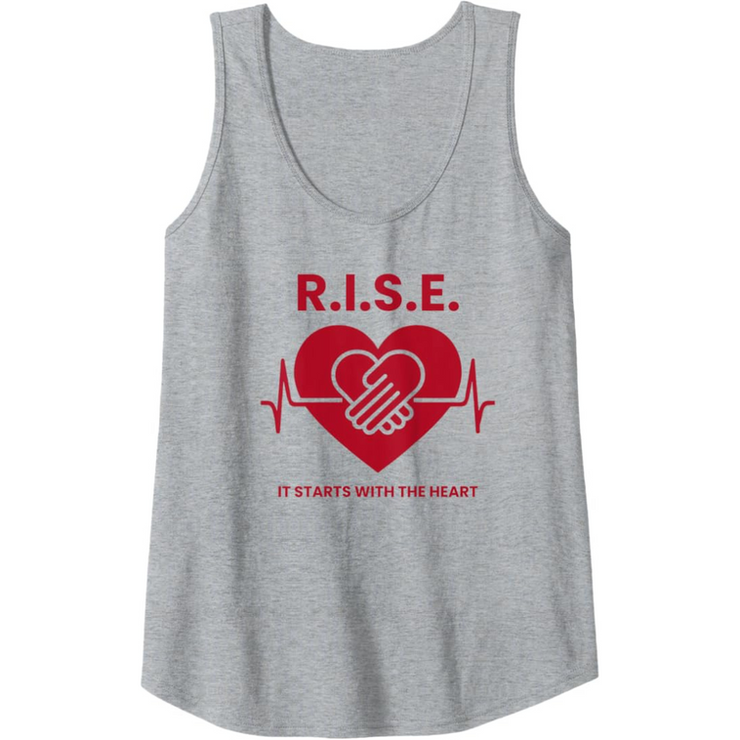
That is when we can use the RISE strategy:
Respond: Notice what happened instead of immediately reacting.
Inhale: Take a breath and identify what you are feeling.
Stay Warm: Speak to yourself and the other person with kindness.
Exhale: Express a clear, respectful request.
Before speaking, ask yourself:
“Am I only telling this person what went wrong, or am I helping them understand what I would like to happen next?”
That one question can change an entire conversation.
Try a Complaint Makeover
Parents can turn this into a simple family activity. Take turns changing each complaint into a clear request.
Complaint:
“You never help me!”
Request:
“Would you please help me put the toys away before dinner?”
Complaint:
“You’re not listening!”
Request:
“Could you put down your phone and listen to me for two minutes?”
Complaint:
“You always get your way!”
Request:
“Could we take turns choosing what we do?”
Complaint:
“Nobody cares that I had a bad day!”
Request:
“I had a difficult day. Could I have a hug and tell you about it?”
There is not only one correct answer. The goal is to discover the real need hiding beneath the complaint.
We Can Model What We Want Children to Learn
Children learn communication not only from what adults teach, but also from what they hear us say.
Instead of:
“How many times do I have to tell you to clean this room?”
We might try:
“I have a request. Please put your clothes in the hamper and your books on the shelf before dinner. Would you do that now?”
Instead of:
“Nobody ever helps me around here!”
We might say:
“I could use some help. Would each person please choose one job so we can finish together?”
We will not do this perfectly every time. That is not the goal.
The goal is to recognize when a complaint can be turned into a request, and then try again.
Later in “Everybody’s Got a Pulse,” the lesson grows even wider:
“Earth has a pulse, we feel it beat. It pumps the love under our feet.”
We move from I to you, from she and he to they and we, and finally to the Earth beneath all of our feet.
It is a reminder that we are connected.
People from different families, neighborhoods, cultures, and nations may not communicate in exactly the same way. But beneath our differences, everybody wants to be heard, respected, understood, and loved.
Clear communication starts with knowing what is happening inside our own hearts.
Compassion starts with remembering that another heart is beating across from us.
Clear Is Kind
Children deserve to know that having needs does not make them difficult, demanding, or selfish.
They can ask for help.
They can ask for space.
They can ask to be included.
They can ask for a hug, or ask not to be touched.
They can ask someone to listen.
They can ask to be treated differently.
The more clearly and respectfully children learn to express what they need, the less they have to rely on complaining, hinting, yelling, or hoping someone will magically figure it out.
A complaint tells us that something is not working.
A clear, kind request helps us begin making it better.
The next time you hear yourself or your child beginning a sentence with “You never…” or “You always…,” pause and ask:
“What would I like instead?”
Then inhale, stay warm, and say it clearly.
Because strong relationships are not built by reading one another’s minds. They are built by opening our hearts, using our words, and giving one another a fair chance to respond.
As the song reminds us:
“Where to start? Use our heart, ’cause everybody’s got a pulse.”
D1P. It’s up to me to be the change I want to see...and it starts with the heart.
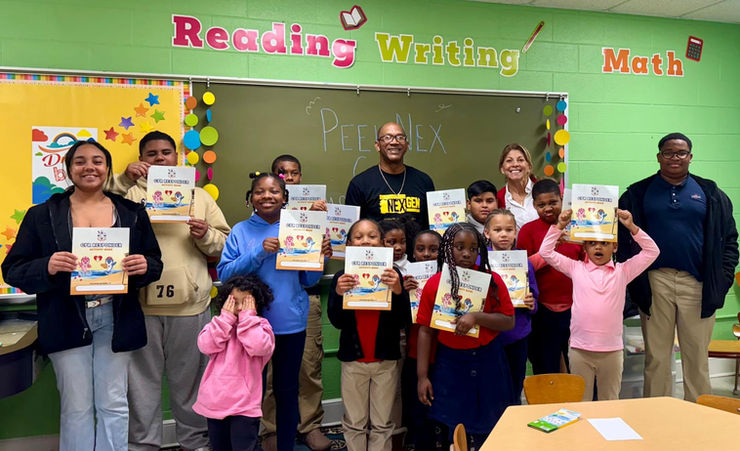
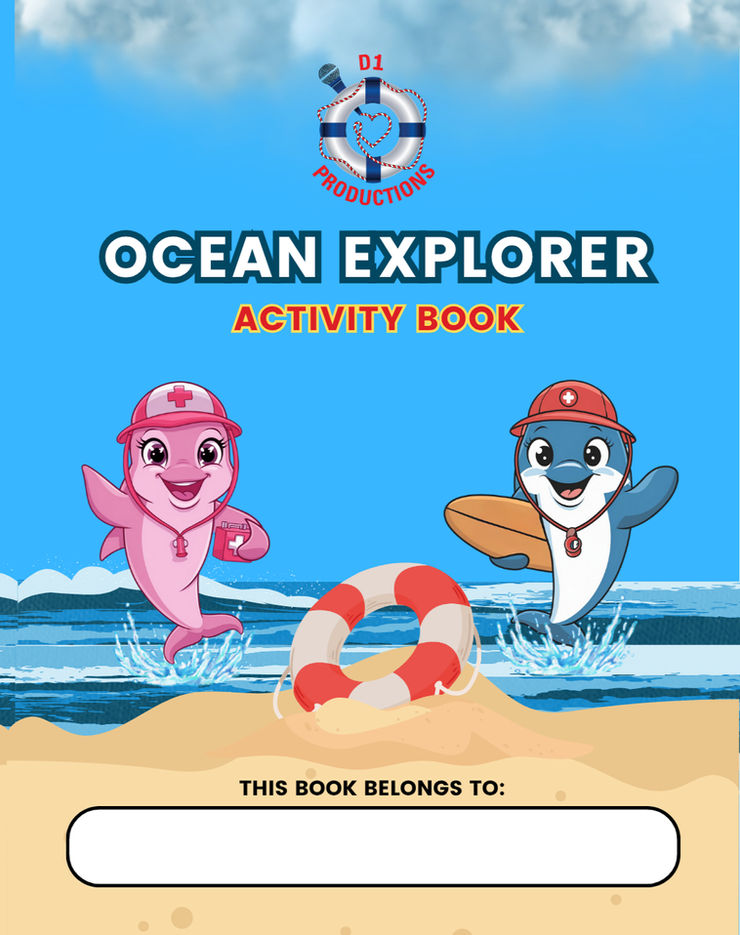
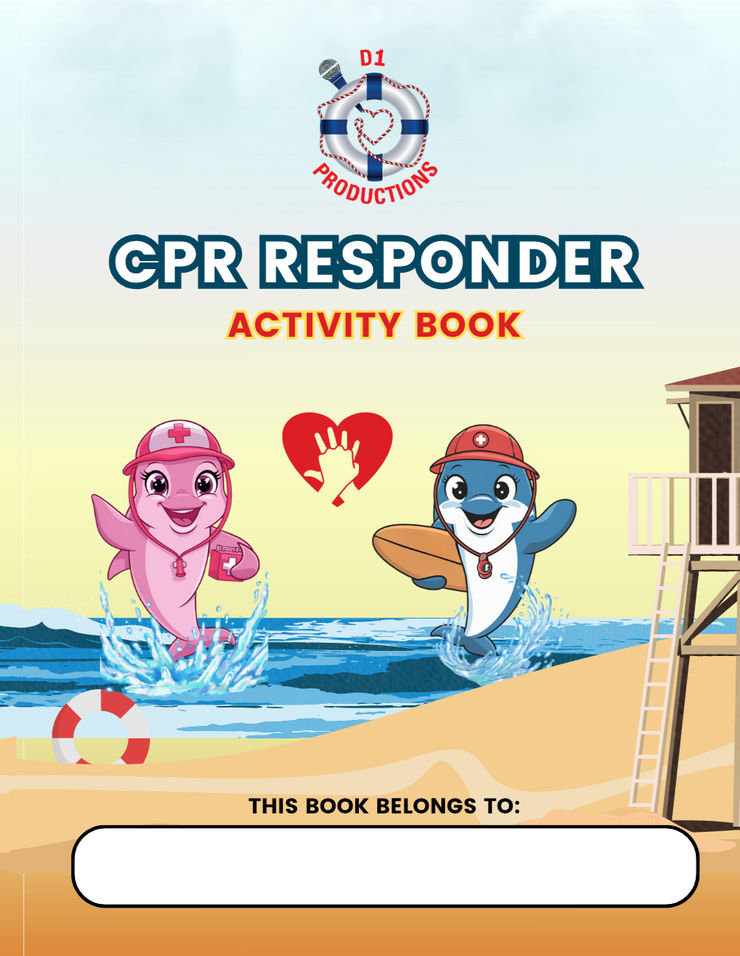
A huge Thank you to Dr. Sam at RESTORE DENTAL in Concord, NC, for supplying us, once again, with 100 ACTIVITY BOOKS to promote our life-saving messages, so that kids can take the lessons home to share and enjoy with their families.
With love and gratitude, Donna Bollinger D1 Productions CPR Starts with The Heart and
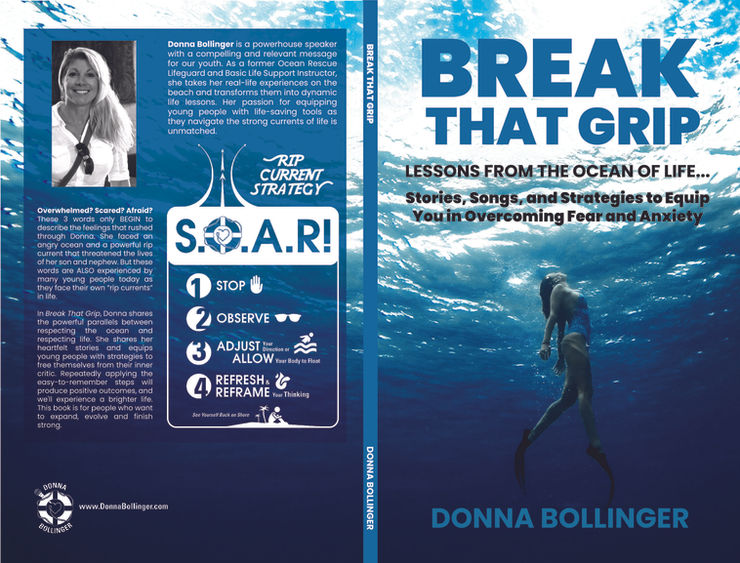
Break That Grip...Lessons From The Ocean of Life

ABOUT DONNA BOLLINGER
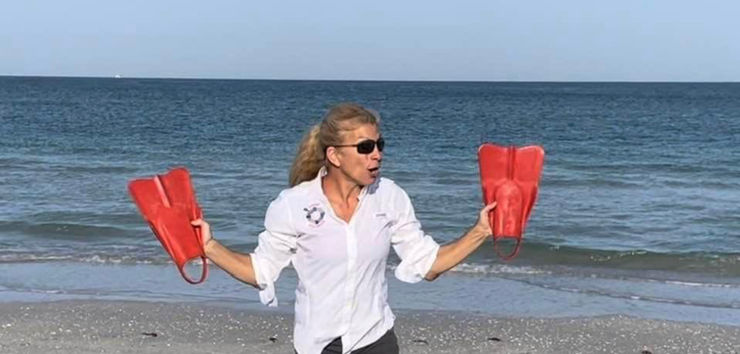
Donna Bollinger is a powerhouse speaker for our youth. As a former Ocean Rescue Lifeguard, she transforms beach experiences into dynamic life lessons. From her high-energy stories to her elite-level triathlon background, Donna inspires audiences worldwide. She even taught Doug Flutie CPR and impressed a US President with her resilient, determined mindset!
+1 (321) 890-6561


Comments